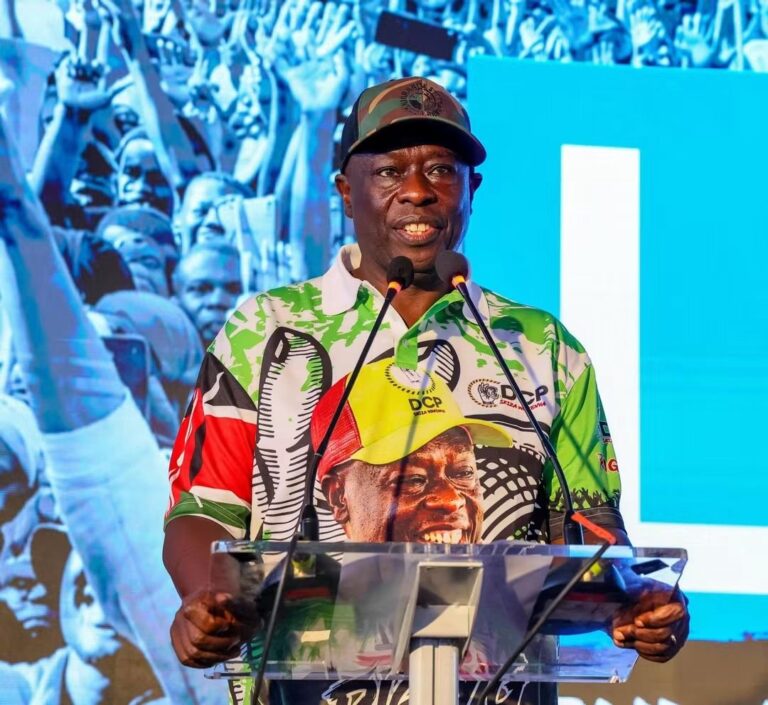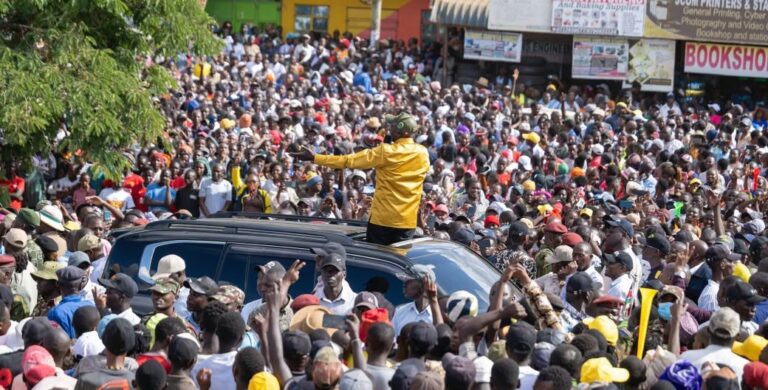
The biggest threat to Kenya’s opposition is no longer just its differences with President William Ruto. It is the growing suspicion that DCP party leader Rigathi Gachagua’s political strategy is built around keeping the opposition divided, exploiting ethnic anger and positioning himself for a much bigger political prize in 2032.
The political game plan, as critics interpret it, is relatively straightforward: mobilise communities through ethnic grievances, turn public anger into political support, and use that support to elect Governors, Senators and MPs under his political banner. Once these leaders secure positions, their political influence and resources could strengthen his bargaining power.
The next stage would be to consolidate political parties, attract elected leaders into his camp and build a powerful political network. With that influence, he could negotiate a political settlement or handshake with the ruling establishment, potentially securing political and financial advantages for himself and his associates.
There are also questions about what happens when his allies secure county governments. Critics fear that political loyalty could translate into appointments for associates, access to government opportunities and lucrative tenders. These remain allegations and political suspicions, not established facts.
But the bigger calculation could be 2032.
If President Ruto loses in 2027, Gachagua risks losing the political relevance that comes from being the leading voice of opposition agitation. If Ruto wins, however, Gachagua could continue presenting himself as the defender of his community, sustaining the politics of grievance and keeping his political base mobilised.
This is precisely why a united opposition is such a threat to the political establishment. A common candidate, shared agenda and national message would fundamentally change the 2027 contest.
A credible Matiang’i–Sifuna ticket, for instance, could offer a different political proposition if the opposition puts national interests ahead of ethnic calculations.
Kenya needs an opposition that challenges the government, not one that competes to manufacture divisions.
The question is whether the opposition is building a coalition to win power or providing individuals with a platform to negotiate their own political survival.